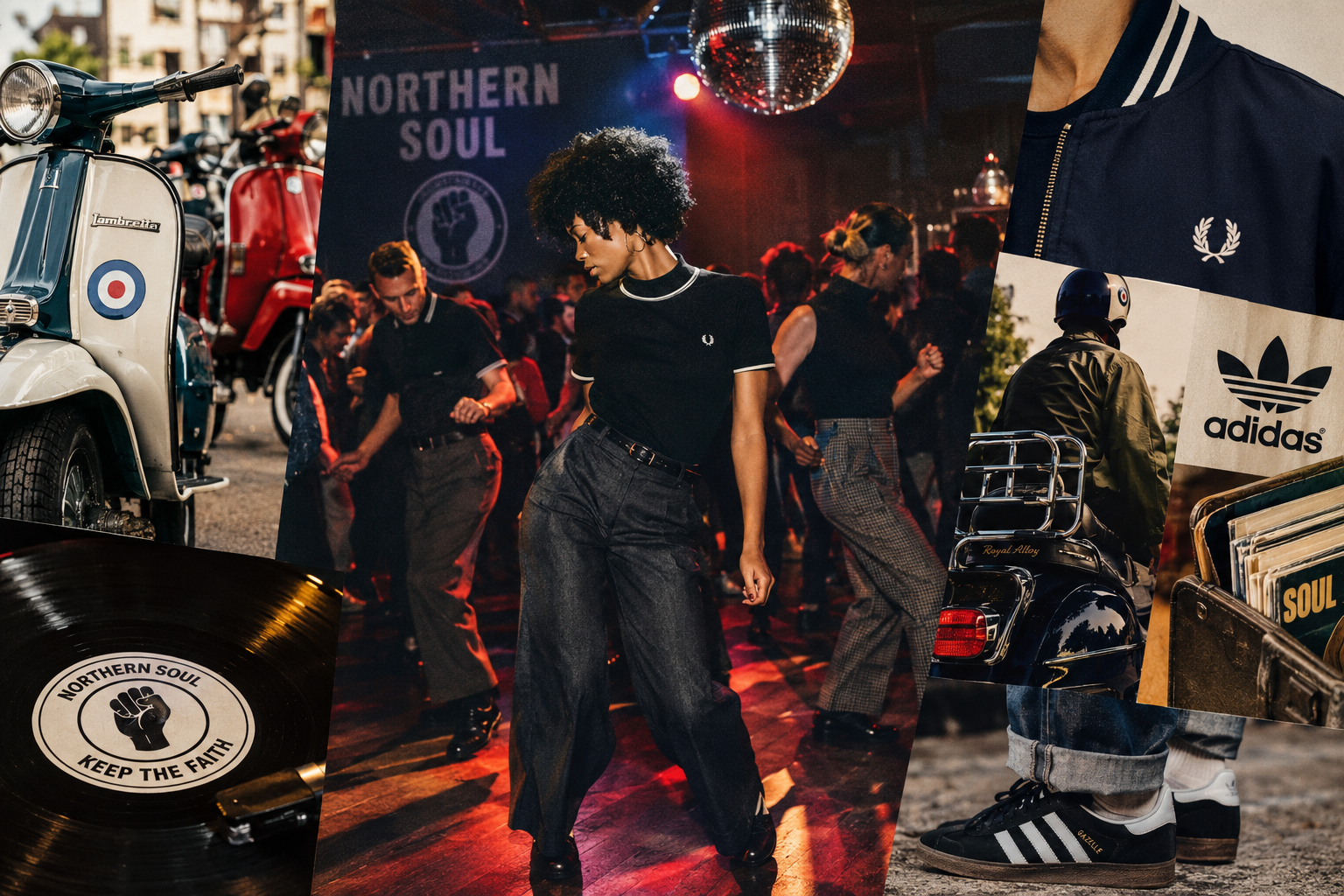
Brand fit becomes particularly powerful in the event industry, where partnerships have the opportunity to move beyond traditional sponsorship and create tangible experiences.
A logo on a banner can generate visibility. But an experience can create a memory.
Festivals, cultural events and lifestyle gatherings provide a unique environment in which brands can interact with audiences in a more personal, emotional and participatory way. Instead of simply communicating a brand message, they can bring it to life.
This is where experiential marketing becomes a crucial element of successful sponsorships.
The strongest partnerships connect a brand’s identity and values with the character of an event and the expectations of its audience. They create experiences that feel natural within the event environment — whether through interactive installations, exclusive experiences, product demonstrations, creative collaborations or meaningful contributions to the community.
The key is relevance. An activation should not interrupt the experience; it should enhance it.
When brand fit and live experiences work together, sponsorship can create value on several levels: greater audience engagement, stronger emotional associations, memorable brand interactions and a more authentic connection between the brand and its community.
This also changes the way sponsorship should be planned. Rather than starting with logo placements, visibility packages and reach, brands and event organisers should begin with a more fundamental question:
What experience can we create together that people will genuinely want to be part of?
That question shifts the focus from selling sponsorship inventory to developing strategic brand partnerships — collaborations in which the brand, the event and the audience all benefit.
Ultimately, the most successful event partnerships don’t just put brands in the spotlight. They make brands part of the experience.